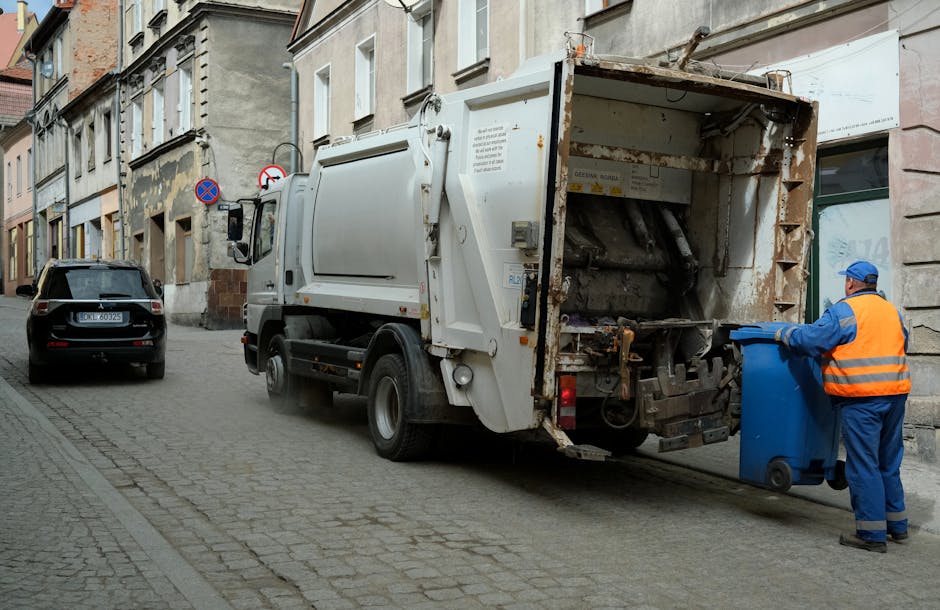
Commercial Waste in St Johns Wood

Commercial waste in St Johns Wood needs a practical, orderly service that keeps premises clear, waste streams separated where possible, and collections aligned with day-to-day trading. We handle routine business waste removal with an emphasis on sensible load management, responsible disposal routes and clear communication about what can be taken. Whether you run a small office, manage shared premises or need help after a one-off clear-out, the service is built around dependable removal rather than disruption.
Our approach suits businesses that want a straightforward way to deal with mixed non-hazardous waste, packaging, old fixtures and other occupier-generated items. We also support heavier or bulkier loads where manual handling and vehicle access need planning. For a broader view of the service, see our business waste removal page, and if your requirements extend beyond everyday collections, the wider waste removal option may be relevant too.
To request a quotation, it helps to share the type of waste, the approximate amount and the access conditions on site. If you are comparing options for regular or occasional removal, our pricing and quotes page explains the kind of details that shape an estimate. Tell us what needs clearing, and we can help you plan the most suitable collection.
Business Waste Removal for Shops, Offices and Shared Premises

Commercial waste removal usually covers the everyday material that accumulates when a workplace runs normally: office paper, packaging, broken furniture, redundant fixtures, display materials and general non-hazardous rubbish. The right service depends on how the premises operate, whether access is straightforward, and whether items need separating before collection. We focus on sensible handling of the load so that items are removed efficiently and the remaining space is left ready for ordinary use.
In practice, business clients often need more than a simple collection. A job may involve clearing a single storage area, removing waste after refitting a room, or dealing with accumulated material from back-of-house spaces. Where items are reusable or need different disposal routes, the service can be organised accordingly. For office-specific needs, the office clearance page gives a more focused overview, while larger mixed loads can also involve furniture clearance when desks, chairs or cabinets are part of the work.
Quotation requests are easier to assess when the waste is described in plain terms. A short list of item types is more useful than a broad description, and one or two photographs can help if access is tight or the load is mixed. Share the practical details, and the next step becomes much simpler for everyone. If you are ready to talk through the job, please ask for a quotation.
Collections for Fit-Outs, Refits and Refurbishment Debris

Business premises often generate waste during refits, refurbishments and small-scale fit-outs. That can include packaging from new equipment, offcuts, dismantled shelving, old counters, damaged décor and general debris that does not belong in normal office or retail bins. A commercial waste service for these jobs needs to be flexible enough to cope with mixed materials while staying focused on what can be removed safely and lawfully.
Where refurbishment work is involved, planning matters because the waste may be spread across more than one room or floor. A sensible approach is to identify the main waste types first, then decide whether they can be combined or should be removed separately. If your project includes builder-type material, the builders waste clearance page is a useful related option, while the home clearance and house clearance pages are better suited to domestic jobs rather than commercial premises.
Access and loading time are often the main practical considerations on refurbishment jobs, especially where lifts, corridors or shared entrances are involved. If a site has restricted parking, late opening hours or staged handover points, it is worth flagging those details at the quotation stage so the collection can be planned properly. A concise enquiry keeps the process efficient and helps the estimate reflect the actual work.
Office, Storage and Back-Office Waste
Many businesses need removal help for waste that builds up quietly in stores, cupboards, archives and back-office areas. This can include cardboard, obsolete equipment, broken shelving, worn chairs, redundant stationery and mixed rubbish that should not be left to gather. The aim is to clear the load in a controlled way so staff can keep the business area functional and avoid waste obstructing routine work.
When items are mostly office-related, a clearance can sometimes be planned around different categories: reusable furnishings, recyclable material and general waste. That helps the collection remain orderly and can be especially helpful where stockrooms or service corridors are already under pressure. If confidential paperwork is part of the clear-out, the confidential shredding page may be relevant, while the book online page is available for those who prefer a direct arrangement route.
For quotations, it is sensible to say whether the items are loose, bagged or stacked, and whether any lifting or dismantling will be needed before removal. A few practical notes are usually enough. Clear information helps match the collection method to the site, which is especially useful where access is shared or time on premises is limited.
Furniture, Fixtures and Disposals from Commercial Premises
Commercial clearances often include furniture and fixtures that are no longer wanted after a move, reconfiguration or replacement programme. Desks, chairs, filing units, tables, shelves and similar items can take up space quickly, particularly when a workplace is being reorganised. A good service should cover removal, loading and sensible disposal, with attention to the type and condition of the items collected.
Some items are best dealt with through a dedicated disposal route, especially where they are bulky or made from mixed materials. For that reason, it can be useful to review the furniture disposal page alongside the main service, and the mattress and sofa disposal page may also help where hospitality, serviced accommodation or managed property settings have softer furnishings to remove. If appliances are involved, the fridge and appliance removal page is more appropriate than a general clearance description.
When asking for a price, note whether items are on a single floor, in a basement, or located within a shared building. That detail can affect how the collection is organised even when the waste volume itself is modest. If the job involves multiple item types, list them clearly and keep the request specific so the quotation reflects the actual scope of work.
Garages, Lofts and Ancillary Spaces Used by Businesses

Some commercial premises have storage areas that function like a garage, loft or utility room, even if the building is not a standard domestic property. Those areas often collect surplus stock, archive boxes, packaging, maintenance material and broken equipment over time. A structured clearance service is useful because these spaces tend to contain mixed items that are awkward to shift and not easy to assess at a glance.
Where access is narrow or the load is awkwardly stacked, the job becomes more about method than volume. Items may need to be sorted before removal, and a collection may need to be timed to avoid interrupting other work in the building. If your premises include a cluttered service area, the garage clearance and loft clearance pages can give a more specific idea of how these removals are handled, while the broader flat clearance page suits residential spaces rather than business use.
When asking for a quotation, describe how the items are stored and whether anything must be moved before loading starts. Space, access and item mix are the details that matter most here. If you are unsure whether the material belongs in a specialist or general collection, it is still worth making an enquiry and listing the contents as clearly as you can.
Hazardous, Restricted and Special-Handling Items

Not every item can be treated as ordinary commercial waste. Some materials require careful handling because they are restricted, potentially harmful, or need a specific disposal pathway. In a business setting that may include certain chemicals, contaminated absorbents, electrical items, refrigeration units or other objects that should not be mixed with general rubbish. It is important to separate these from standard non-hazardous waste before arranging collection.
Where special handling is needed, it is best to identify the items clearly rather than bundle them into a vague request. The hazardous waste disposal page covers the type of work that needs extra care, while the health and safety policy and insurance and safety pages provide useful context on how the business approaches safe working. For payment-related information, payment and security sets out the relevant details.
When in doubt, do not mix restricted items with general waste in your enquiry. Describe them separately and note any labels, packaging or storage conditions that apply. A careful description helps the service identify whether the material can be taken, and if so, what preparation or segregation is needed before collection can proceed.
About St Johns Wood
St Johns Wood is an area in the City of Westminster, in north-west London, best known for its tree-lined residential streets, mansion blocks and strong association with Victorian and Edwardian development. The area sits between Maida Vale, Regent’s Park and Lord’s Cricket Ground, and its identity has long been shaped by a mixture of housing, local shopping streets and civic landmarks. Abbey Road is one of its most recognised thoroughfares, while St John’s Wood High Street provides a compact commercial centre with everyday amenities and a distinctly local character. The spelling without an apostrophe is widely used for the place name, though the church and some other references retain one. The district’s built environment reflects phases of suburban expansion from the nineteenth century onwards, with terraces, detached houses and later apartment buildings standing alongside quieter side streets. Nearby open spaces, including Regent’s Park to the south-east, contribute to the area’s sense of openness despite its central London setting. Cultural associations are also part of its profile: the cricket ground, the Abbey Road studios tradition and the presence of local schools and places of worship have all helped make the neighbourhood familiar beyond its immediate boundaries. The area remains closely linked to the wider borough landscape of Westminster, yet it has its own recognisable scale and rhythm, with a residential feel that is more subdued than many surrounding districts.
Regular Collections, Site Housekeeping and Quotations
Some businesses need removal help on a regular basis rather than as a one-off clear-out. That might involve periodic collections from a stockroom, back office, service yard or customer-facing site where waste builds up between routine bin services. Regularity can be helpful when items are predictable and the premises produce a similar mix from week to week, because it makes planning simpler and reduces the chance of clutter accumulating.
If a site generates waste from multiple sources, it is often better to describe them by category: cardboard, packaging, furniture, equipment, mixed rubbish and any items needing special handling. The recycling and sustainability page explains the responsible side of the service, while the about us page provides background on the business itself. For businesses comparing the practical scope of collections, that combination can help separate the service details from the administrative background.
If you want a quotation, keep the request focused on the items, access and preferred timing. A short message is often enough, especially when the waste is already grouped together. Be specific about what is staying and what is going, and the estimate can be prepared with fewer assumptions. Please ask for a quotation when you are ready.
What to Include in a Commercial Waste Enquiry
A clear enquiry makes it easier to match the right collection approach to the job. The most useful information is usually the type of waste, the approximate amount, the floor level, any access restrictions and whether items need to be dismantled or moved from several rooms. That is enough detail for most straightforward commercial waste requests, and it avoids the back-and-forth that can happen when the scope is too general.
When the load is mixed, describe it in groups rather than as a single bulk heap. For example, separate office furniture from packaging, and separate ordinary waste from items that need a different disposal route. If you are still deciding how to frame the request, the what can go in a skip page offers a helpful comparison point for item types, while the complaints procedure page sets out a formal route if one is ever needed.
For a final step, you can keep the message short and practical: tell us what needs clearing, where it is, and when access is possible. That is usually enough to start the quotation process. If you are ready, request a quotation today and we will help you take it from there.